
Carbon Credits


Turn Emissions Into Carbon Credits Today
What Are Carbon Credits?
The core purpose of carbon credits is to offset emissions that cannot be eliminated through direct action. Businesses and individuals can purchase carbon credits to balance out their carbon footprint, making strides toward climate neutrality. This process is also known as carbon offsetting or offsetting carbon emissions.

Trusted by 225+ Global Enterprises






































































Turn Knowledge Into Carbon Action Today
Globally Trusted
How Does Carbon Trading Work?

Key Concepts & Market Types
Carbon trading helps reduce carbon footprints through buying or selling credits in compliance and voluntary markets, each serving distinct sustainability goals.
- Compliance Carbon Markets: Regulated by governments like the EU ETS to enforce emission limits.
- Voluntary Carbon Markets (VCM): Businesses offset emissions by purchasing credits through certified climate programs.
- Carbon Credit Certification: Verified by global standards such as Gold Standard or Verra for transparency and impact.
- Corporate Sustainability Strategy: Carbon trading supports ESG targets, net-zero goals, and green branding.
- Cost-Efficient Climate Action: Offers flexible, affordable ways for companies to meet environmental obligations.
- Global Participation: Encourages climate collaboration between countries, sectors, and companies worldwide.

Buy and Sell Carbon Credits
Carbon credit trading lets you offset emissions by funding climate-friendly projects. It's a simple step toward net-zero goals.
- Corporate Carbon Credit Investment: Companies invest in carbon offsets as part of ESG strategies and emissions reduction plans.
- Sell Carbon Credits from Land & Projects: Landowners and developers can generate income by selling credits through verified carbon offset programs.
- Agriculture & Forestry Offsets: Sectors like regenerative farming and reforestation are top sources for generating carbon credits.
- Popular Carbon Offset Project Types: Includes renewable energy, tree planting, improved cookstove distribution, and landfill methane capture.
- Support Climate Action with Carbon Markets: Verified projects contribute to global climate goals while offering measurable environmental benefits.

Carbon Credit Prices & Market Trends
Carbon credit prices vary based on market type, certification, and demand. Using carbon offsets is a smart way to meet sustainability and ESG goals when direct emissions cuts fall short.\\xA0
- Carbon credit price varies: Ranges from $5 to $50/ton in voluntary markets; compliance prices can be higher.
- Price factors: Certification standards, project type, and regional demand impact cost.
- Track carbon market trends: Monitoring carbon credit rates helps make informed investment decisions.
- Offset hard-to-reduce emissions: Use credits when operational reductions aren't feasible.
- Achieve carbon neutrality: Offsets help companies reach net-zero emission targets.
- Support ESG & SDG goals: Boost sustainability image while supporting verified climate action projects.

Carbon Offsetting Strategy & Certification
Carbon offsetting helps balance emissions when reductions fall short. Companies use certified credits and tools to reach climate goals.
- Carbon offsetting strategy: Blend emission reduction with verified carbon credits for climate impact.
- Certification matters: Use trusted standards like Gold Standard and Verra (VCS) for credible offsets.
- Employee engagement: Build internal awareness around carbon offsetting and sustainability actions.
- Offset project investment: Support reforestation, renewables, and other certified carbon projects.
- Use carbon offset calculators: Estimate the number of credits needed to offset emissions accurately.
- Top certification bodies: Gold Standard, Verra, ACR, and Climate Action Reserve lead the market.
Simplify Your Carbon Trading Journey Today
Find Best Fit Carbon Solution Today
Understanding
Carbon Credit for Different Stakeholders

Farmers & Landowners
Farmers and landowners can generate steady income through verified carbon credit programs, promoting climate resilience and sustainable land practices.
- Generate income by selling soil carbon credits through regenerative agriculture.
- Get rewarded for sustainable forestry and reforestation practices.
- Access verified carbon programs like Verra and Gold Standard.
- Improve soil health while reducing greenhouse gas emissions.
- Monetize conservation efforts through carbon offset markets.
- Support climate goals while enhancing your land’s long-term value.

Implementation Matters
Businesses can reduce their environmental footprint by offsetting travel and operational emissions through verified carbon credits.
- Offset business travel emissions with verified carbon credits.
- Reduce Scope 1, 2, and 3 emissions for corporate sustainability.
- Support renewable energy, reforestation, and clean tech projects.
- Achieve net-zero and carbon-neutral business targets.
- Strengthen ESG performance and stakeholder trust.
- Enhance brand reputation with climate-conscious practices.
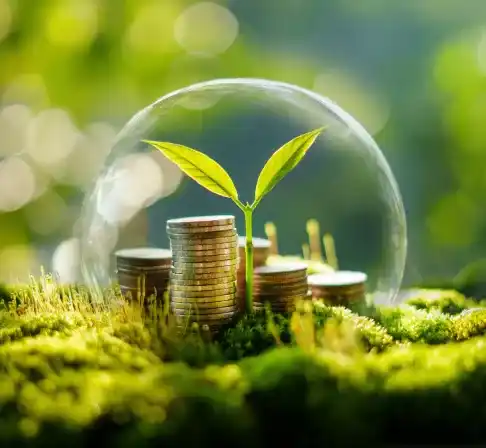
Investors
Carbon credits are fast becoming a sought-after ESG asset, offering both environmental impact and financial growth.
- Explore carbon credits as a high-potential ESG investment.
- Diversify your portfolio with climate-focused assets.
- Invest in verified carbon offset projects globally.
- Align investments with net-zero and sustainability goals.
- Support scalable climate solutions like forestry and renewables.
- Stay ahead of regulations with carbon market exposure.
Find Your Role In Carbon Strategy
Solve For Sustainability
Why Growlity?




Work With Leaders In Sustainable Impact Solutions
On The Side of Ambitious
Action
What are carbon credits and how do they work?
Why should businesses invest in carbon credits?
What types of carbon offset projects are available?
How much does a carbon credit cost?
How can I buy or sell carbon credits?
Let’s Achieve Growth with Sustainability
You might also Be Interested In…!!!